Cream container selection: capacity, material and structure
Compare the stated capacity unit, material and dispensing structure alongside the photos. Use this guide to review the product specifications and prepare a clear enquiry.
1. Keep mL and g distinct
mL measures volume and g measures mass. The same number does not imply the same fill quantity. Keep the unit stated on the product page and confirm the intended fill quantity and headspace for your formula. If labels differ, ask for clarification rather than converting the figures by assumption.
2. Compare the published specifications
These examples come from the MIDAM catalogue. Open each product to review its additional photos and dimension images.
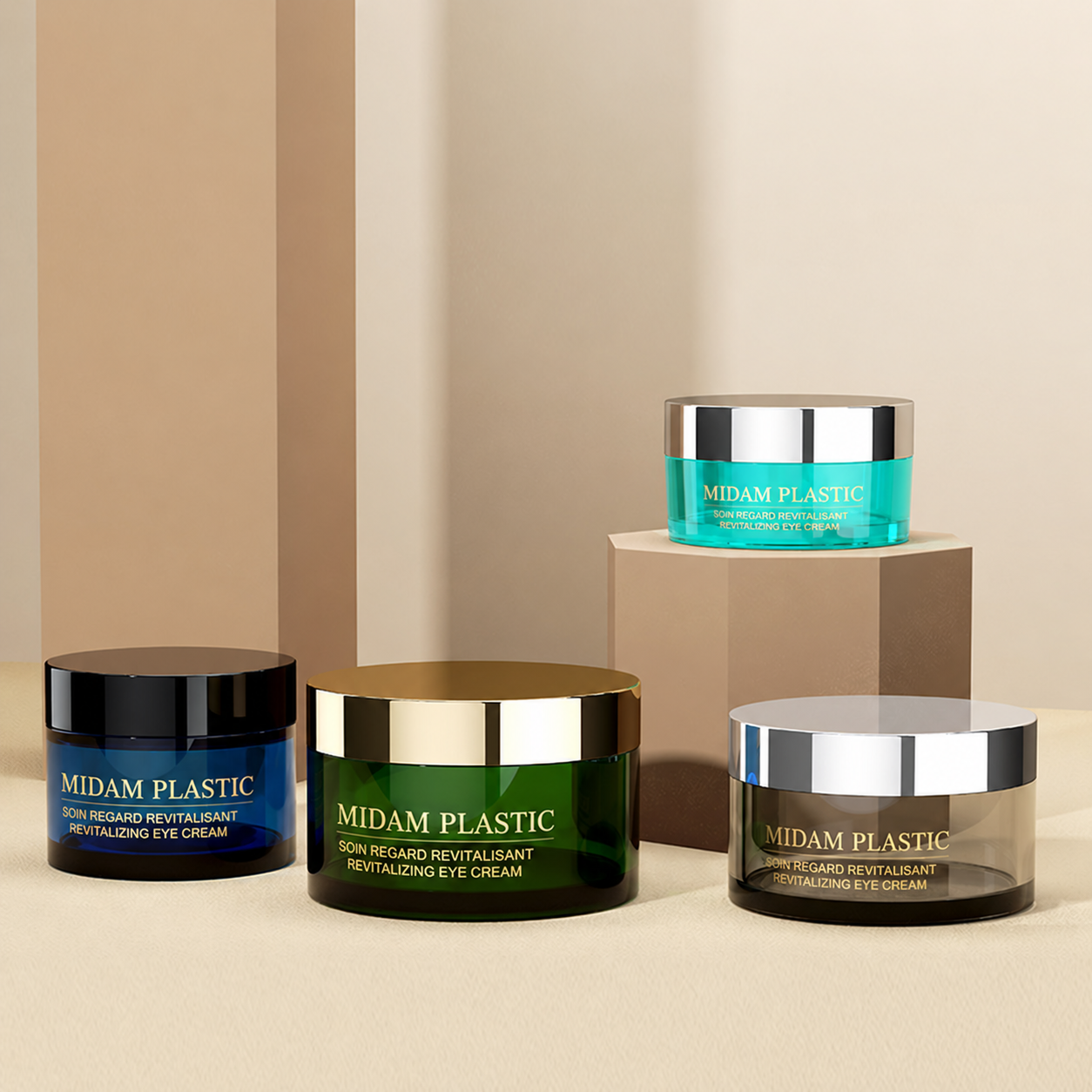
PET Thick Wall Cream Jar 30/50/100/150ml
- Listed capacity / weight
- 30ml / 50ml / 100ml / 150ml
- Listed material
- PET
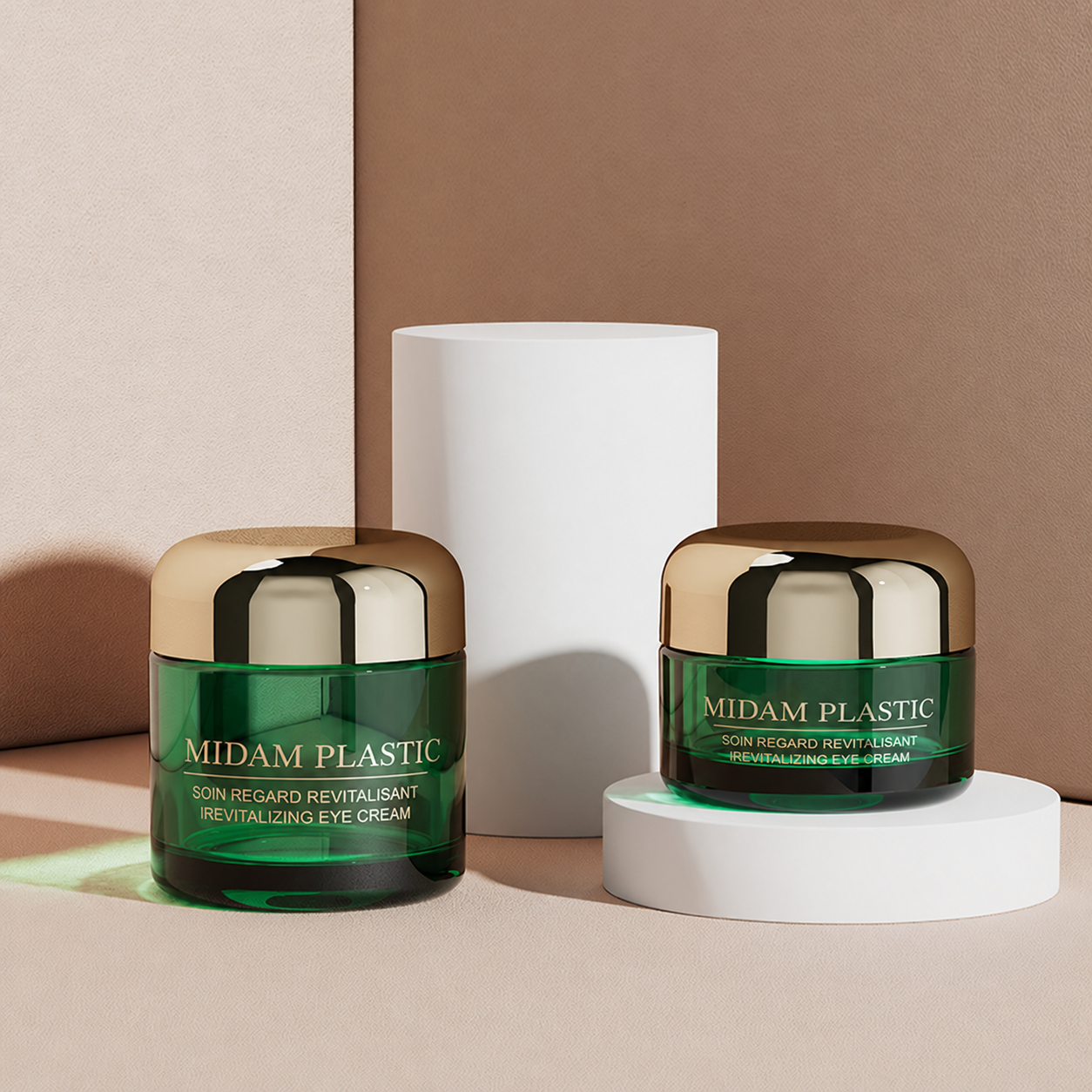
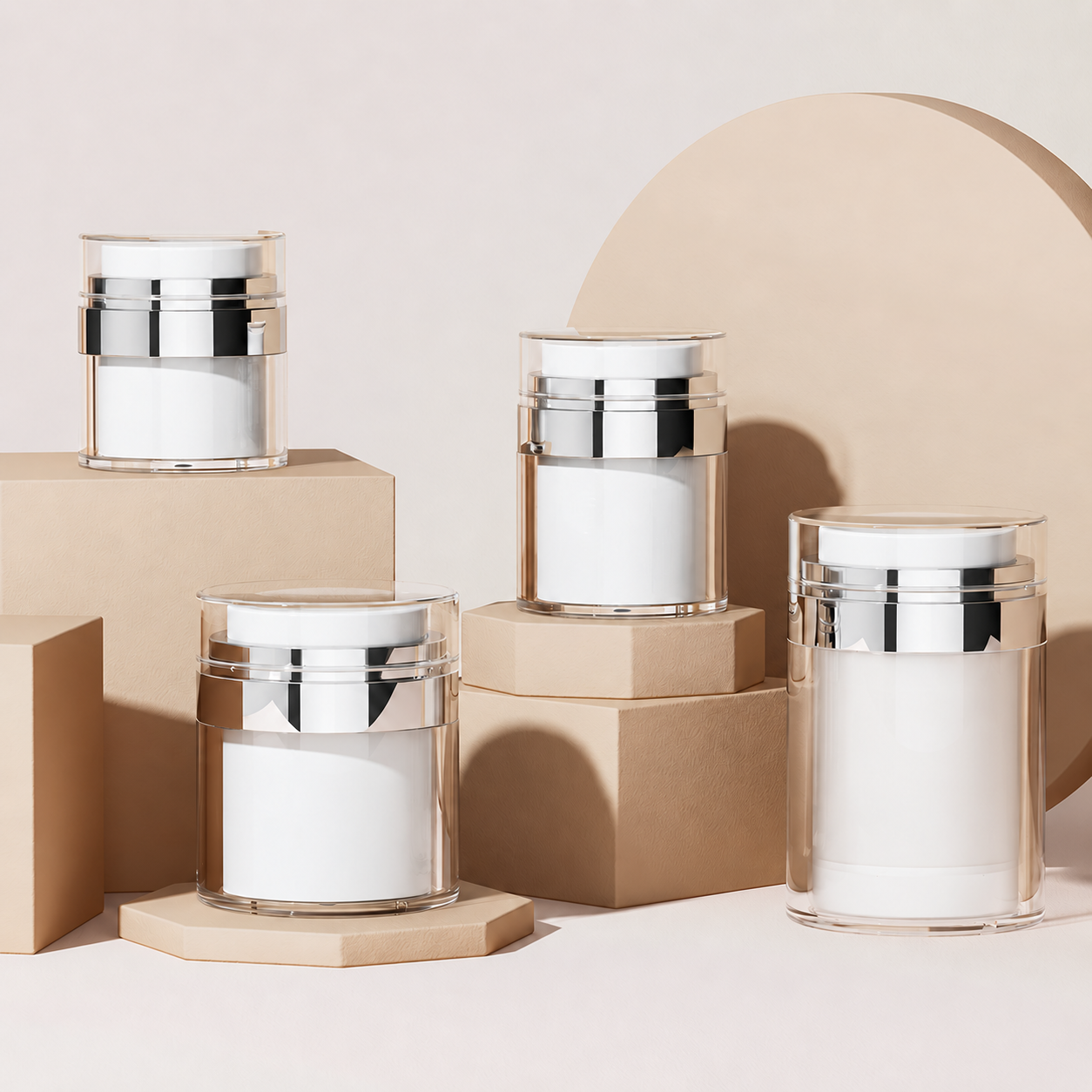
MS PP Airless Cream Jar 15/30/50/100g
- Listed capacity / weight
- 15g / 30g / 50g / 100g
- Listed material
- MS / PP
A material name alone does not establish compatibility with a formula or a performance level. For combinations such as MS / PP, confirm the material of the relevant components, including those in contact with the contents.
3. Review structure and dimensions together
Conventional jars and airless containers differ in their dispensing method and components. Review the lid, body and dispensing structure, then check the height and diameter for the specific size in the dimension images. For sets, identify the container and components you actually need.
Containers with the same capacity label can have different shapes and dimensions. Where a product page leaves a specification to be confirmed, include that question in your enquiry instead of relying on an estimate.
4. Prepare these details for your enquiry
- The MB product code and product link
- The required size and its stated unit (mL or g)
- The intended contents and questions about structure, components or dimensions
- Requested quantity, colour and appearance details
These details describe your requirements for discussion. Supply conditions, finishing options and timing need to be confirmed for the specific product.